




28. 10. 2026, 7 p.m.
PREMIERE
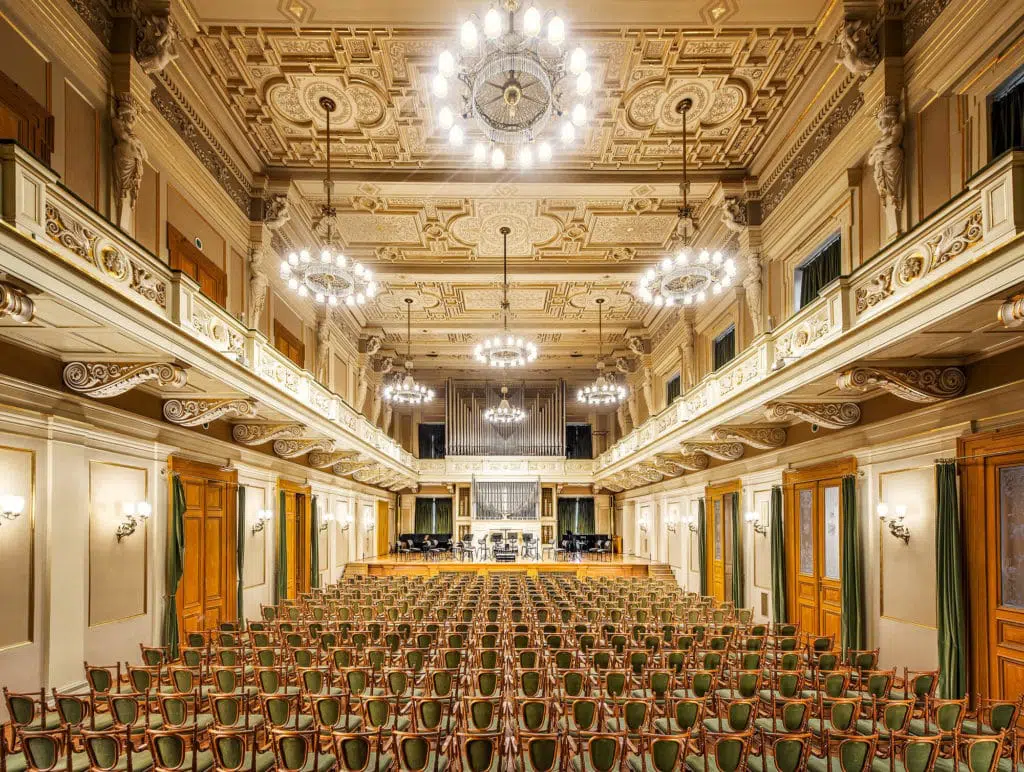
Besední dům
Composer: Leoš Janáček
Conductor: Dominik Pernica
Director: Jiří Heřman
Piano: Julius Drake
Chorus: Janáček Opera of the National Theatre Brno
Revival performances: 15 and 16 November 2026
28. 10. 2026
7 p.m.
PREMIERE
Besední dům
Composer: Leoš Janáček
Conductor: Dominik Pernica
Director: Jiří Heřman
Piano: Julius Drake
Chorus: Janáček Opera of the National Theatre Brno
Revival performances: 15 and 16 November 2026

Other dates of performance: 15. 11. and 16. 11. 2026
Musical Preparation / Conductor: Dominik Pernica
Stage Director: Jiří Heřman
Dramaturgy: Patricie Částková
Piano: Julius Drake
Set Design: Tomáš Rusín
Costumes: Zuzana Štefunková Rusínová
Choirmaster: Martin Buchta
Cast:
Přemysl (baritone) – Daniel Kfelíř
Ctirad (tenor) – Nicky Spence
Šárka (soprano) – Eliška Gattringerová
Lumír (tenor) – Ondřej Koplík
Act I
After the death of Princess Libuše, women lose many of their privileges, including the right to choose their own husbands. Under the leadership of the warrior Vlasta, they rise up in war against men. The men are led by Libuše’s widower, Prince Přemysl. At the courtyard of Libice Castle arrives the young warrior Ctirad. Přemysl welcomes him, and Ctirad explains that he has come for the weapons of his ancestors, kept in Libuše’s tomb. When Přemysl and the other noblemen depart, Ctirad descends into the tomb. During his contemplation, he is suddenly interrupted by a group of warrior maidens led by Šárka, who intends to seize Libuše’s crown for Vlasta. Ctirad thwarts her plan, and Šárka and her companions flee.
Act II
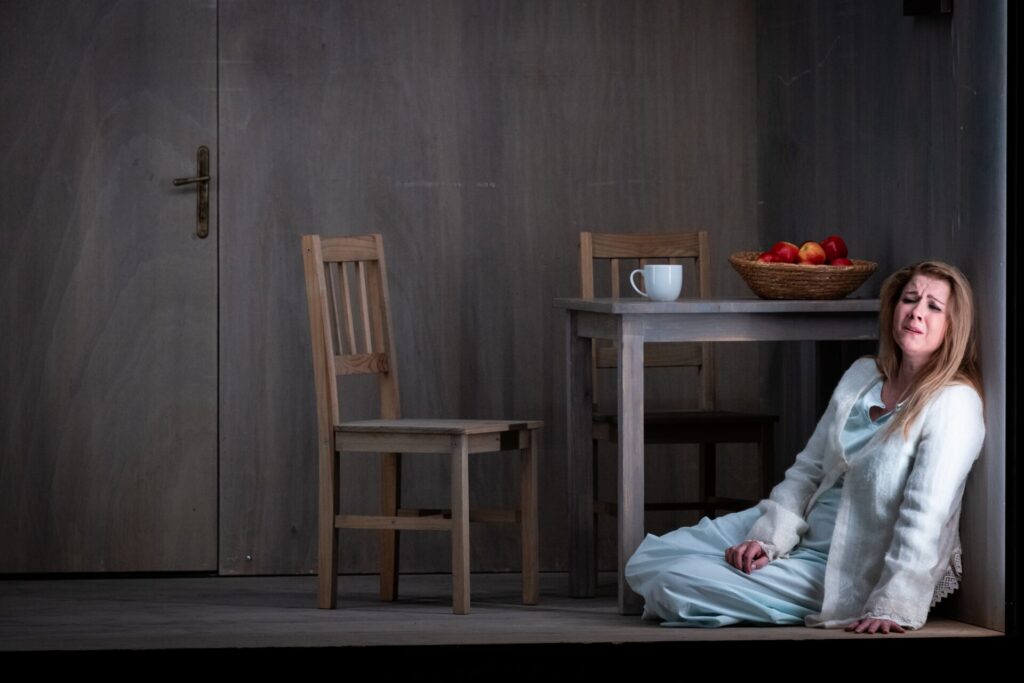
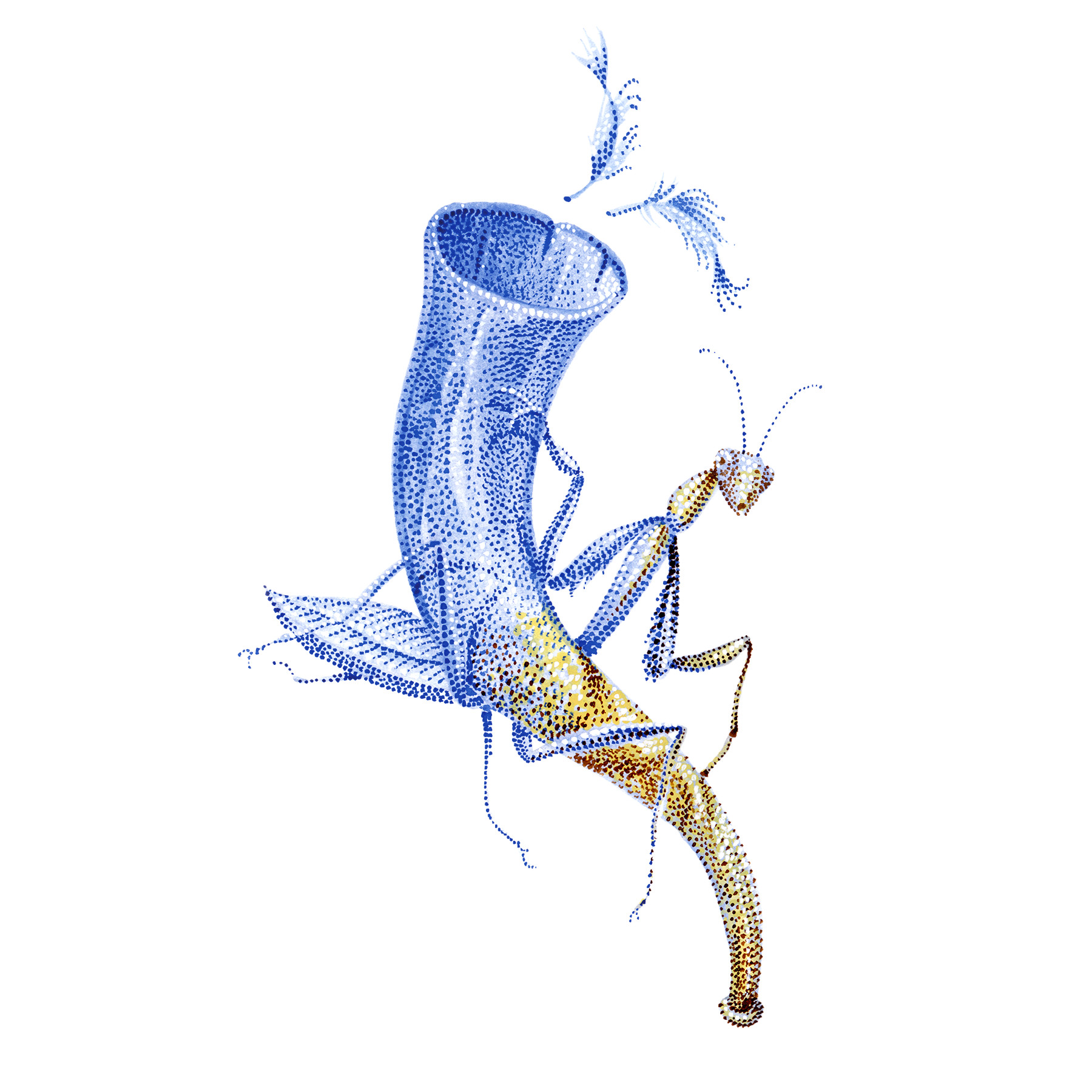
Although Šárka realizes that her love for Ctirad is growing, her desire for revenge prevails. She orders the maidens to tie her to a tree and hide nearby. Ctirad, lured by her cries, frees her. She deceives him, claiming that Vlasta had her bound as punishment for failing to seize Libuše’s crown. Captivated by Šárka’s beauty, Ctirad immediately declares his love, and Šárka nearly yields to the temptation of becoming his wife. At the last moment, however, she regains her resolve and blows a horn, signaling the hidden maidens, who kill Ctirad. Only too late does Šárka regret her deed.
Act III
Led by Lumír, the men bring Ctirad’s lifeless body to Vyšehrad and build a pyre to cremate him. At that moment, Šárka arrives and confesses her crime before everyone. She then throws herself onto the pyre and stabs herself. As Lumír sets the pyre aflame, all marvel at the overwhelming power of love.
The motto of the 10th edition of the festival is “Roots”, and it is precisely these roots that the Brno ensemble’s premiere contribution is directed at. This time, in the form of a site-specific production in the Besední dům – a venue closely connected with Janáček’s role in Brno’s cultural life – we return to the very beginning of the Master’s operatic work.
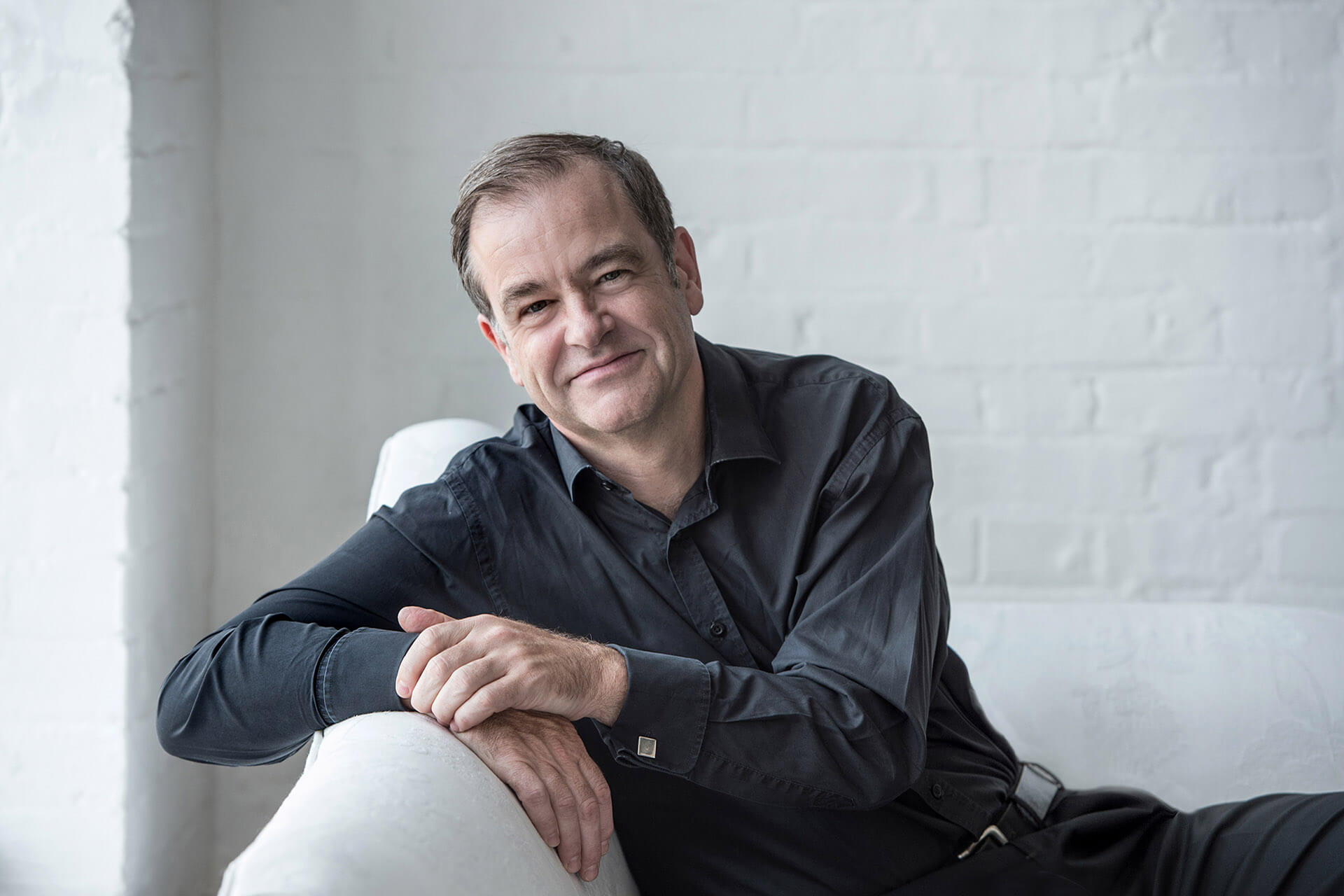
Janáček’s opera Šárka exists in two versions: the 1887 version, completed only in piano reduction, and the 1925 revision with full orchestration. At the festival, both versions will be heard. Director Jiří Heřman has chosen to stage the original 1887 version, bringing the audience in the intimate space of the Besední dům directly into the heart of the dramatic clash between men and women, which culminates in tragedy. The piano part will be performed by the outstanding British pianist Julius Drake, well known to festival audiences from previous editions as an exceptional interpreter of Janáček’s music.
Janáček was inspired to write his first opera by the work of Julius Zeyer, an important Czech poet and dramatist. The musical drama Šárka appeared in serialized form in the journal Česká Thalie in January and February 1887. Zeyer adapted the fourth part of his epic poem Vyšehrad into an operatic libretto originally intended for Antonín Dvořák. When Dvořák declined the text, Zeyer decided at least to publish it in the journal – where it caught the attention of another composer.
Until then, Janáček had no experience with opera and only a few years earlier had shown little interest in the genre. It was his studies in Vienna that introduced him to the world of opera, and the opening of the Provisional Czech Theatre in 1884 made opera an important part of his artistic life.
Janáček shortened and adapted Zeyer’s text, and by the summer of 1887 had completed a piano score. He sent it to Antonín Dvořák for assessment, greatly valuing his opinion. The crucial step, however, was to obtain Julius Zeyer’s permission to use the text. Here Janáček encountered uncompromising rejection, as the poet was offended that the young composer had already adapted and set his words to music without consent. Janáček hoped Zeyer would change his mind and continued working, but when this did not happen, he put the opera aside – already partly orchestrated – and forgot about it for many years.
Today, the piano version offers a valuable glimpse into Janáček’s compositional style of the 1880s. Despite the evident influence of Romanticism and Dvořák, we can already sense his instinct for drama and theatre – a force that remains compelling and relevant to this day.
Text: Patricie Částková
*During the performance, the audience will move through the spaces of the Besední dům. Four seats are reserved for persons with reduced mobility.
Musical Preparation / Conductor: Dominik Pernica
Stage Director: Jiří Heřman
Dramaturgy: Patricie Částková
Piano: Julius Drake
Set Design: Tomáš Rusín
Costumes: Zuzana Štefunková Rusínová
Choirmaster: Martin Buchta
Cast:
Přemysl (baritone) – Daniel Kfelíř
Ctirad (tenor) – Nicky Spence
Šárka (soprano) – Eliška Gattringerová
Lumír (tenor) – Ondřej Koplík
Act I
After the death of Princess Libuše, women lose many of their privileges, including the right to choose their own husbands. Under the leadership of the warrior Vlasta, they rise up in war against men. The men are led by Libuše’s widower, Prince Přemysl. At the courtyard of Libice Castle arrives the young warrior Ctirad. Přemysl welcomes him, and Ctirad explains that he has come for the weapons of his ancestors, kept in Libuše’s tomb. When Přemysl and the other noblemen depart, Ctirad descends into the tomb. During his contemplation, he is suddenly interrupted by a group of warrior maidens led by Šárka, who intends to seize Libuše’s crown for Vlasta. Ctirad thwarts her plan, and Šárka and her companions flee.
Act II
Although Šárka realizes that her love for Ctirad is growing, her desire for revenge prevails. She orders the maidens to tie her to a tree and hide nearby. Ctirad, lured by her cries, frees her. She deceives him, claiming that Vlasta had her bound as punishment for failing to seize Libuše’s crown. Captivated by Šárka’s beauty, Ctirad immediately declares his love, and Šárka nearly yields to the temptation of becoming his wife. At the last moment, however, she regains her resolve and blows a horn, signaling the hidden maidens, who kill Ctirad. Only too late does Šárka regret her deed.
Act III
Led by Lumír, the men bring Ctirad’s lifeless body to Vyšehrad and build a pyre to cremate him. At that moment, Šárka arrives and confesses her crime before everyone. She then throws herself onto the pyre and stabs herself. As Lumír sets the pyre aflame, all marvel at the overwhelming power of love.
The motto of the 10th edition of the festival is “Roots”, and it is precisely to these roots that the Brno ensemble’s premiere contribution is directed. This time, in the form of a site-specific production in the Besední dům – a venue closely connected with Janáček’s role in Brno’s cultural life – we return to the very beginning of the Master’s operatic work.
Janáček’s opera Šárka exists in two versions: the 1887 version, completed only in piano reduction, and the 1925 revision with full orchestration. At the festival, both versions will be heard. Director Jiří Heřman has chosen to stage the original 1887 version, bringing the audience in the intimate space of the Besední dům directly into the heart of the dramatic clash between men and women, which culminates in tragedy. The piano part will be performed by the outstanding British pianist Julius Drake, well known to festival audiences from previous editions as an exceptional interpreter of Janáček’s music.
Janáček was inspired to write his first opera by the work of Julius Zeyer, an important Czech poet and dramatist. The musical drama Šárka appeared in serialized form in the journal Česká Thalie in January and February 1887. Zeyer adapted the fourth part of his epic poem Vyšehrad into an operatic libretto originally intended for Antonín Dvořák. When Dvořák declined the text, Zeyer decided at least to publish it in the journal – where it caught the attention of another composer.
Until then, Janáček had no experience with opera and only a few years earlier had shown little interest in the genre. It was his studies in Vienna that introduced him to the world of opera, and the opening of the Provisional Czech Theatre in 1884 made opera an important part of his artistic life.
Janáček shortened and adapted Zeyer’s text, and by the summer of 1887 had completed a piano score. He sent it to Antonín Dvořák for assessment, greatly valuing his opinion. The crucial step, however, was to obtain Julius Zeyer’s permission to use the text. Here Janáček encountered uncompromising rejection, as the poet was offended that the young composer had already adapted and set his words to music without consent. Janáček hoped Zeyer would change his mind and continued working, but when this did not happen, he put the opera aside – already partly orchestrated – and forgot about it for many years.
Today, the piano version offers a valuable glimpse into Janáček’s compositional style of the 1880s. Despite the evident influence of Romanticism and Dvořák, we can already sense his instinct for drama and theatre – a force that remains compelling and relevant to this day.
Text: Patricie Částková







Don’t miss at the festival