





5. 11. 2026, 7 p.m.
Janáček Theatre
Composer: Leoš Janáček
Conductor: Jakub Hrůša
Director: Martin Glaser
Ensemble: Janáček Opera NdB
Orchestra: Bamberg Symphony
The performance lasts 2 hours and 35 minutes, including two intermissions.
5. 11. 2026
7 p.m.
Janáček Theatre
Composer: Leoš Janáček
Conductor: Jakub Hrůša
Director: Martin Glaser
Ensemble: Janáček Opera NdB
Orchestra: Bamberg Symphony
The performance lasts 2 hours and 35 minutes, including two intermissions.
Other dates of performance: 7. 11. 2026
Conductor: Jakub Hrůša
Director: Martin Glaser
Set Design: Pavel Borák
Costumes: Markéta Sládečková – Oslzlá
Lighting Design: Martin Špetlík
Choreography: Mário Radačovský
Dramaturgy: Olga Šubrtová
Choirmaster: Pavel Koňárek
Cast
Jenůfa: Corinne Winters
Kostelnička: Eliška Weissová
Grandmother Buryjovka: Jitka Zerhauová
Laca Klemeň: Nicky Spence
Števa Buryja: Thomas Atkins
Foreman: Svatopluk Sem
Mayor (Rychtář): David Szendiuch
Mayor’s Wife (Rychtářka): Jarmila Vantuchová
Karolka: Zdislava Bočková
Shepherdess (Pastuchyňa): Jitka Klečanská
Barena: Anna Moriová
Jano: Martina Mádlová
Aunt (Tetka): Ivona Špičková
Act I
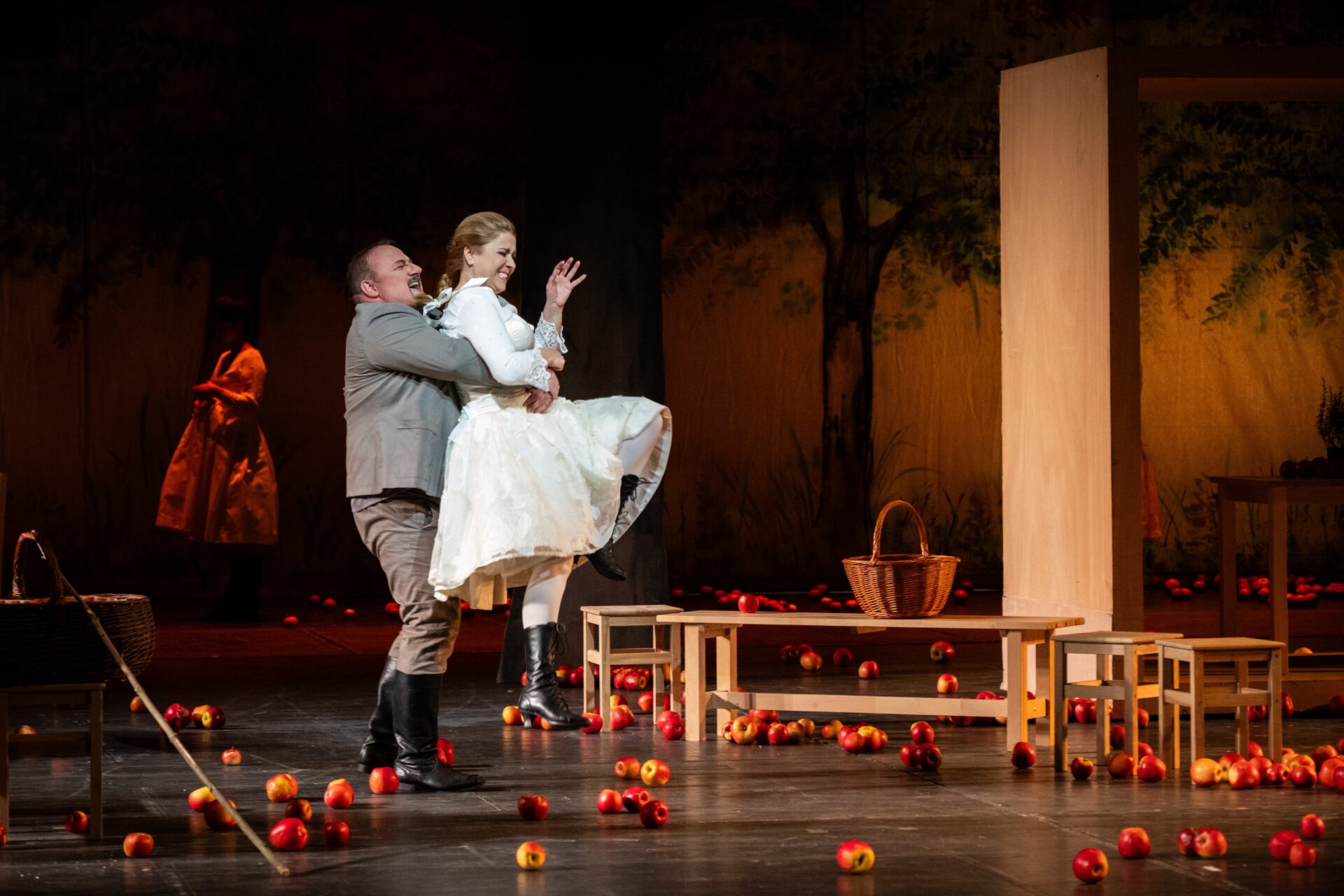
The beautiful Jenůfa anxiously awaits the verdict on whether her beloved Števa will be conscripted into the army. She is expecting his child, and conscription would ruin their planned wedding. Števa’s stepbrother Laca is also in love with Jenůfa and teases her about Števa. Števa, in high spirits, arrives at the mill with friends and musicians – he has not been drafted and has been celebrating heavily with the other recruits. Jenůfa’s strict foster mother, the Kostelnička, witnessing the boisterous company led by Števa, publicly declares that she will only consent to Jenůfa’s marriage with him after a year of probation, during which Števa must not drink. Laca tries to persuade Jenůfa that Števa loves her only for her beauty, and in a quarrel he slashes her face with a knife.
Act II
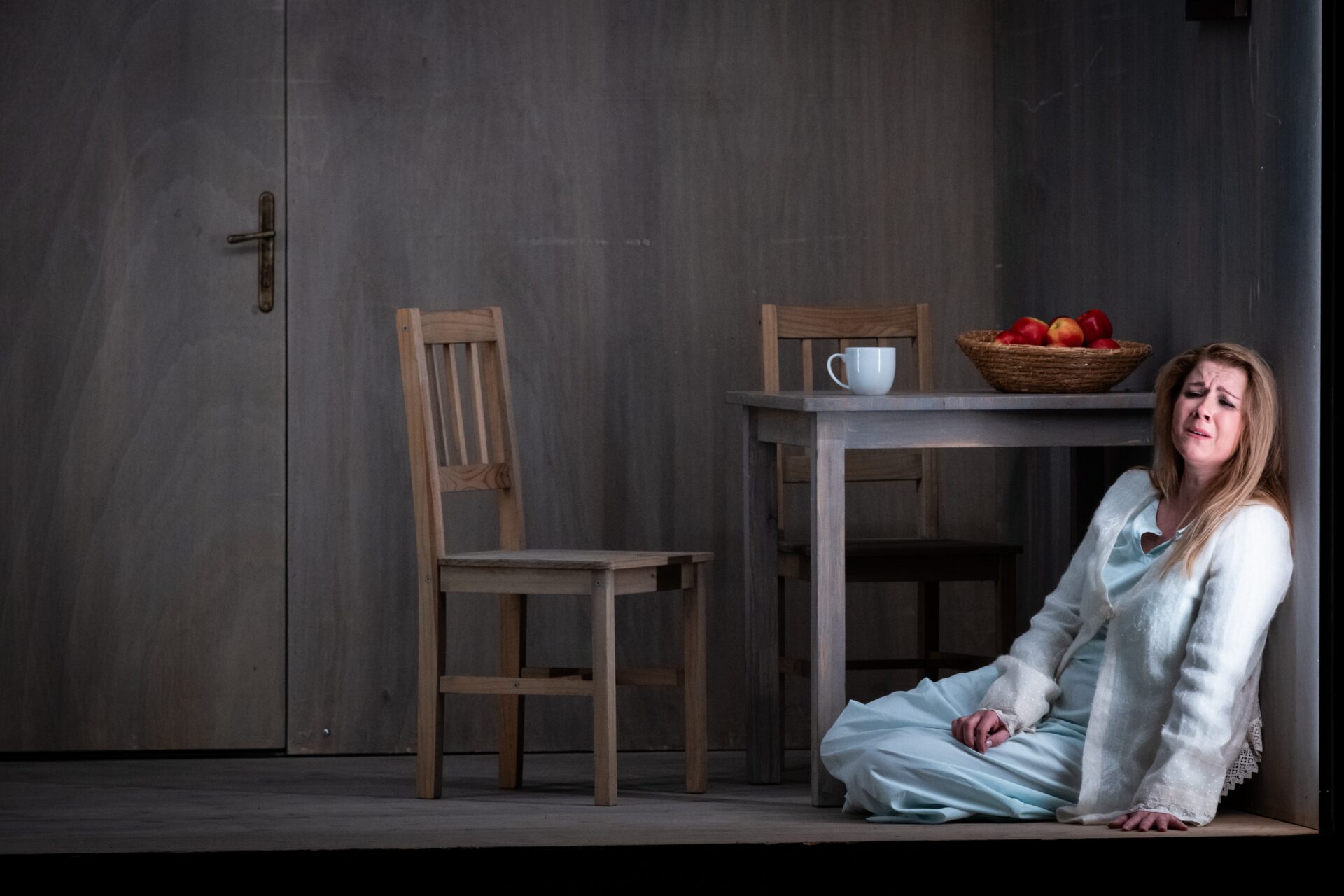
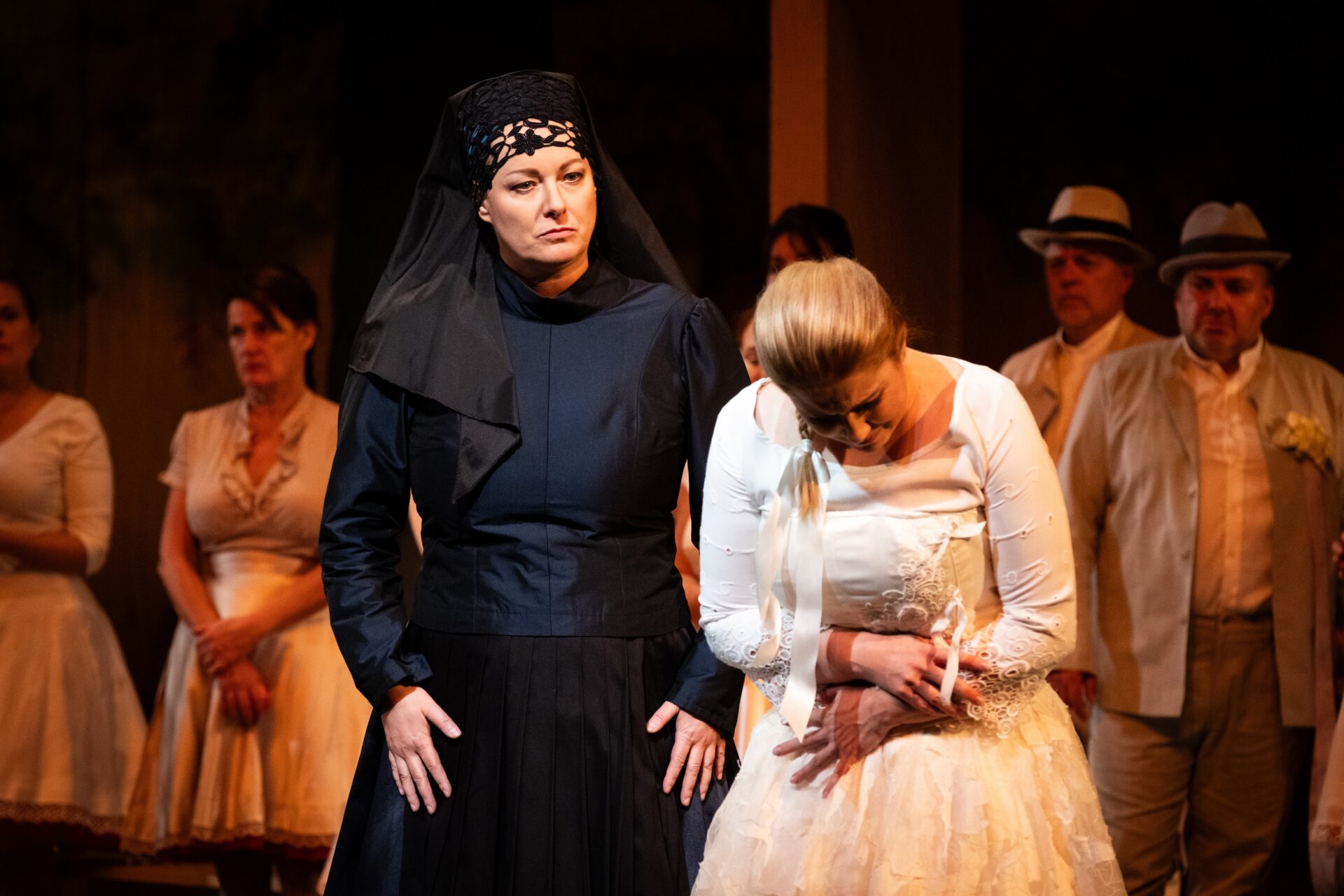
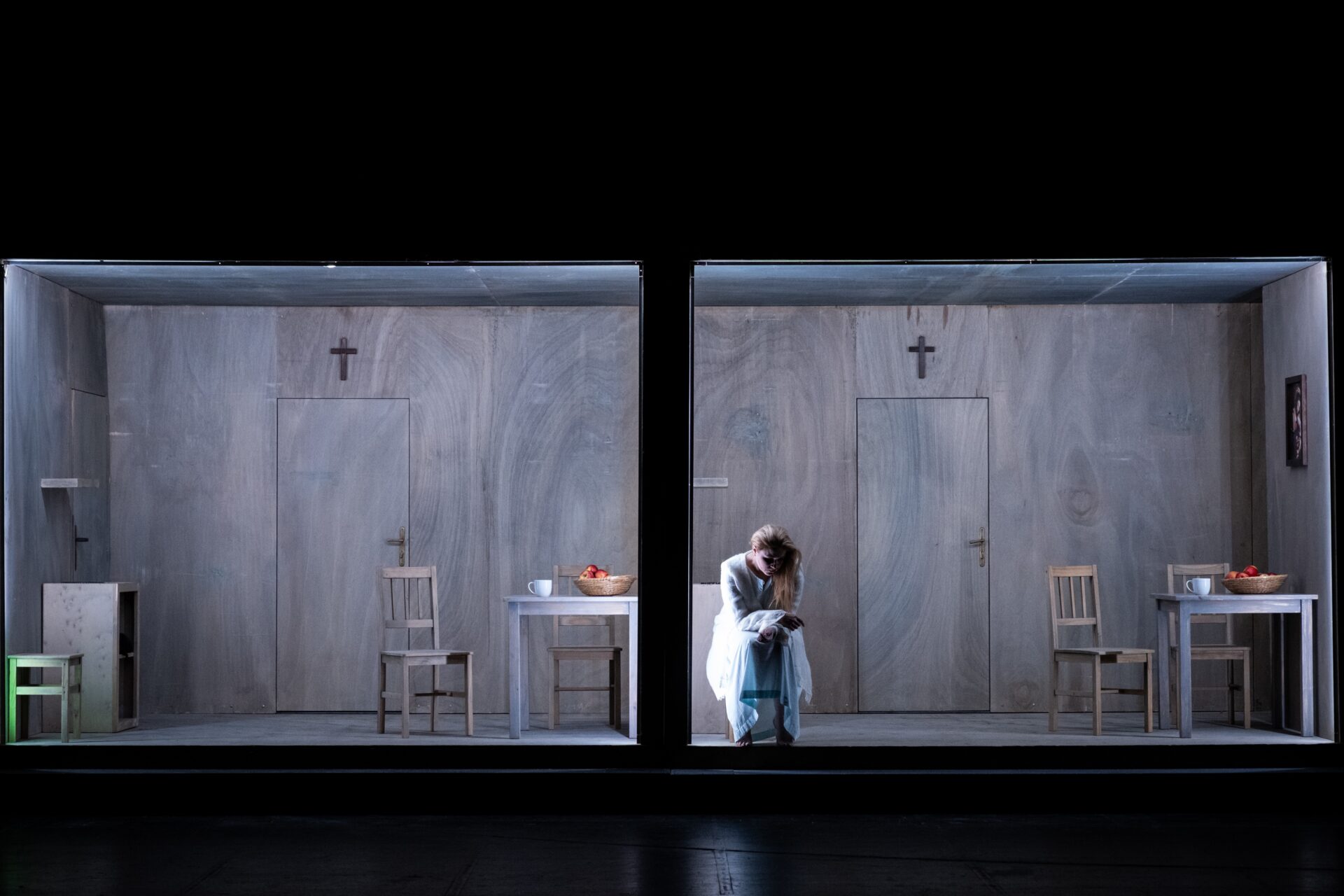
Fearing disgrace, the Kostelnička hides Jenůfa at home and tells others that she has gone to Vienna. Meanwhile, Jenůfa has given birth to a son. While Jenůfa sleeps, the Kostelnička humbles herself before Števa, begging him to marry Jenůfa. But Števa, repulsed by Jenůfa’s scarred face and already engaged to the mayor’s daughter, refuses. Laca arrives and asks the Kostelnička for Jenůfa’s hand. When she tells him that Jenůfa has borne Števa’s child, he recoils in shock. Seeing his doubts, the Kostelnička, in desperation, lies that the baby died shortly after birth. After Laca leaves, she drowns the child in the icy river and later convinces Jenůfa that she had been delirious with fever for several days and that the boy died in the meantime. Exhausted, Jenůfa agrees to marry Laca.
Act III
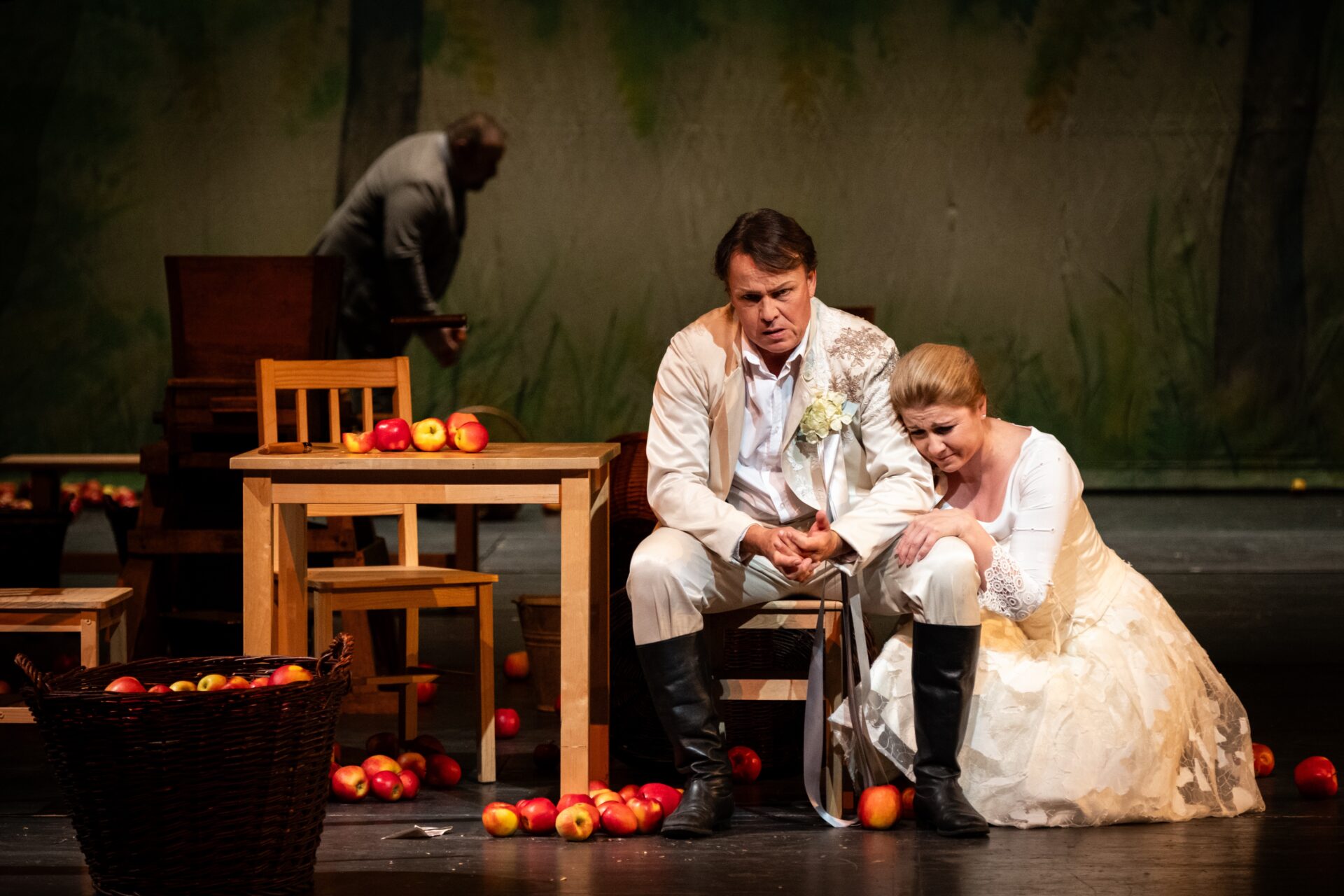
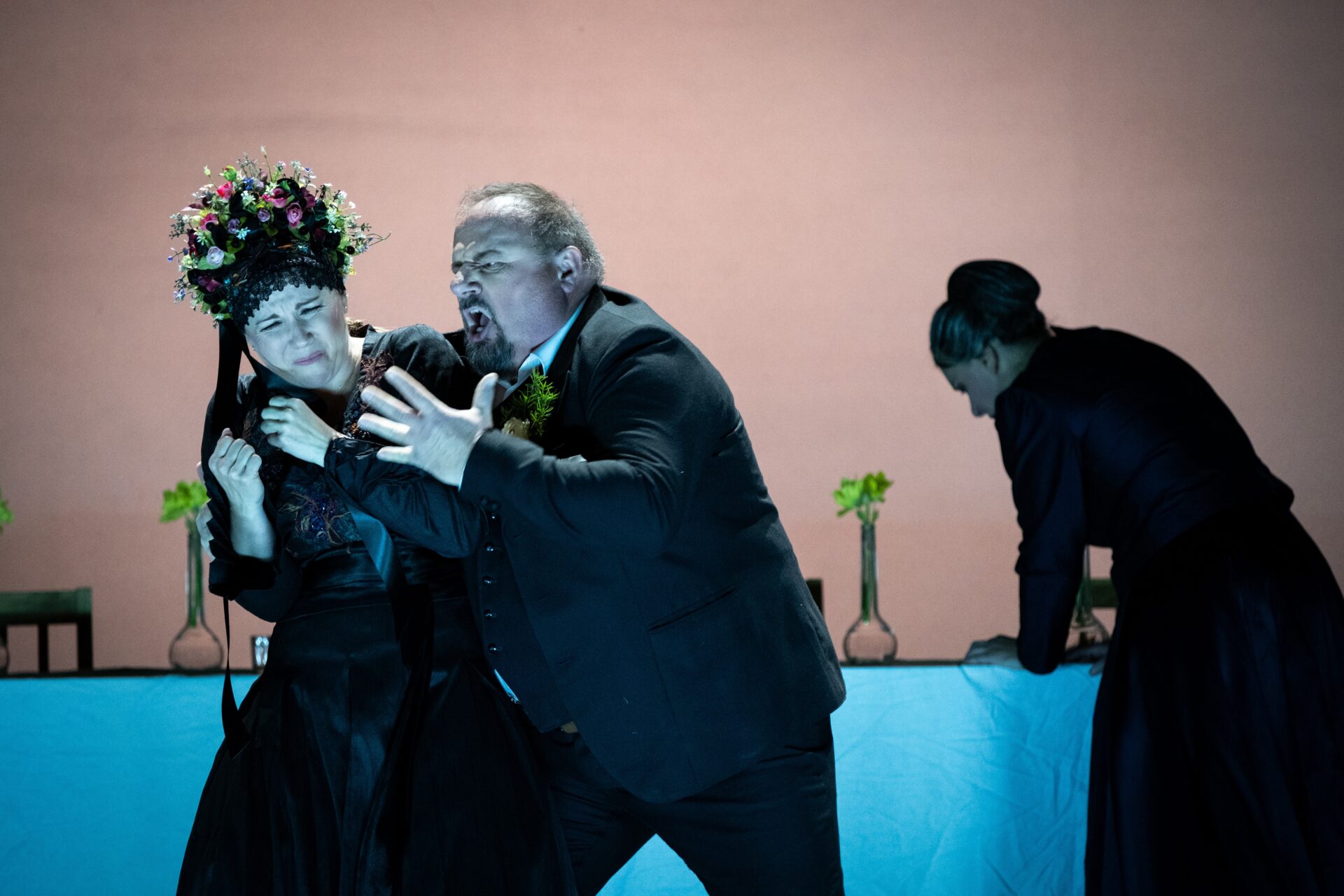
During preparations for Jenůfa’s wedding to Laca, news spreads that a dead child has been found in the river. Jenůfa recognizes her baby’s bonnet and falls under suspicion of murder. The Kostelnička publicly confesses. Before the mayor takes her to court, Jenůfa forgives her, understanding that everything was done out of love for her. Believing that Laca will no longer want her, Jenůfa tells him to leave. But Laca insists on staying by her side and vows to stand with her even in the hardest times. Jenůfa realizes that she has found her true love, “as God Himself is content with her.”
Worse than scars on the face are the scars on the soul.
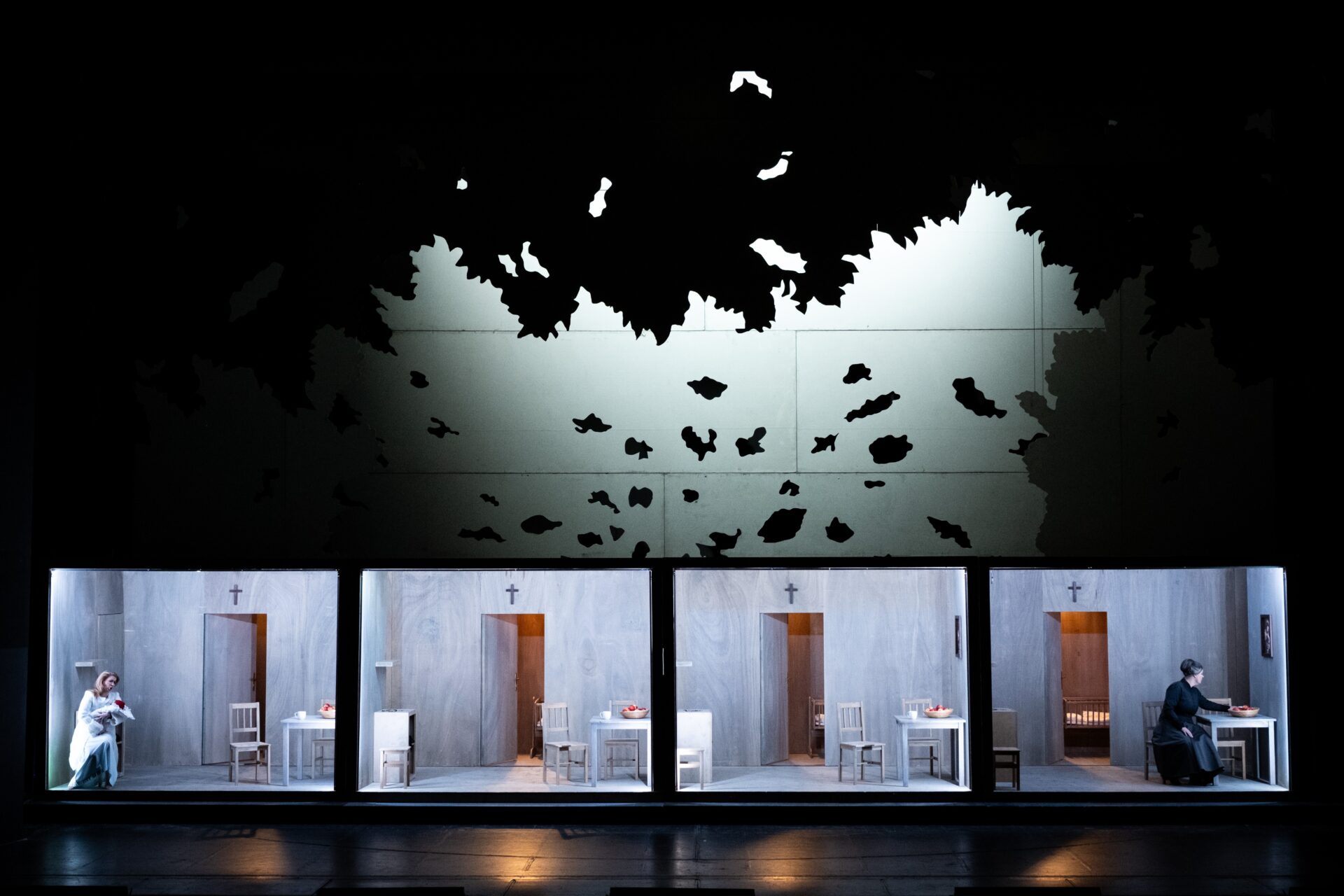
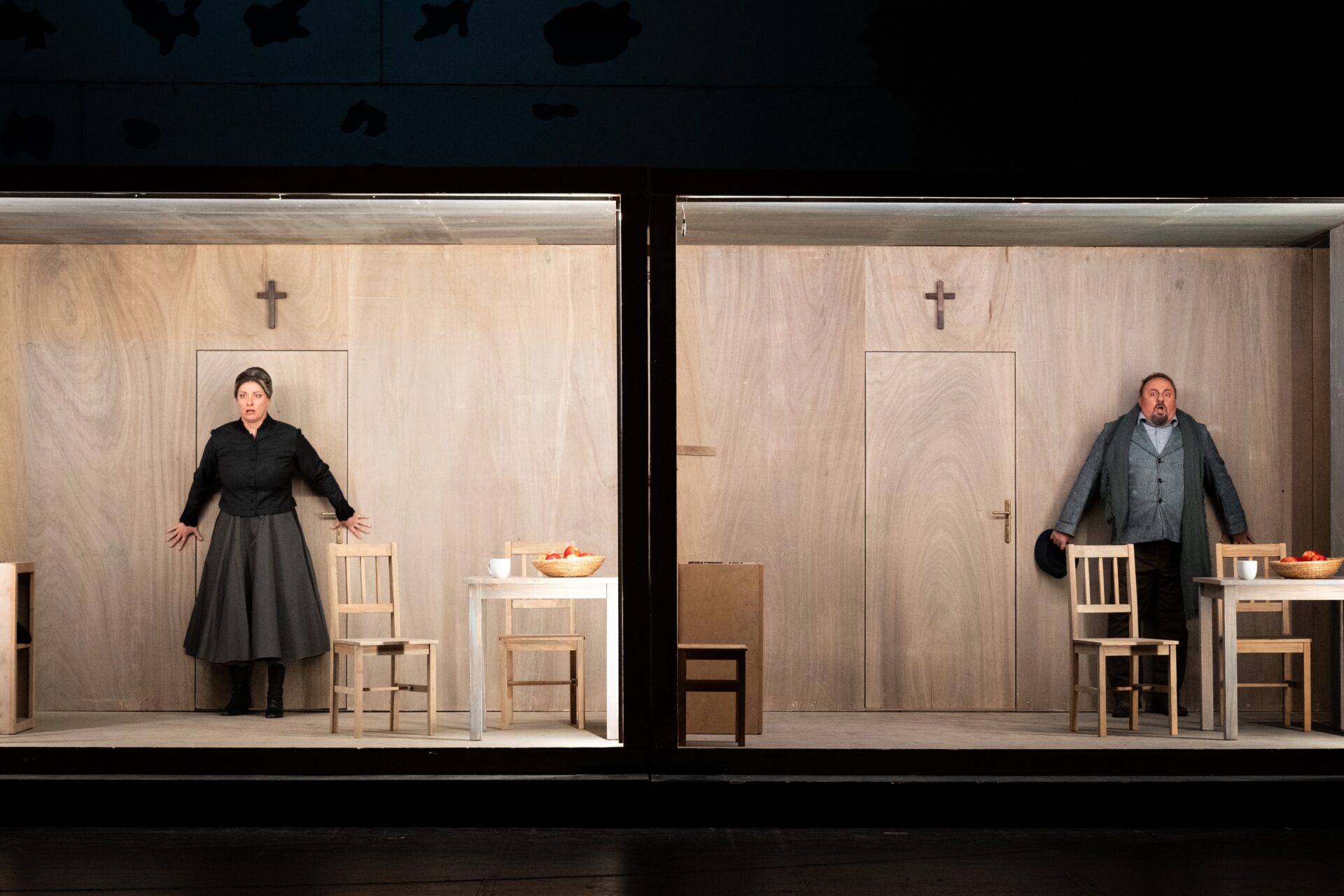
Jenůfa belongs among Janáček’s most famous works and has been a permanent part of the repertoire of the Brno Opera. At its beginning stood the realistic drama by Gabriela Preissová, which the composer himself adapted into an operatic libretto. Although he had to shorten the dramatic text considerably, he managed to deepen even further the impact of this tragic story from the Moravian countryside. The wasteful and fickle Števa, the hot-tempered yet at heart kind Laca, and above all the relentless Kostelnička, whose effort to preserve her status and respect within the village community leads her to murder her foster daughter Jenůfa’s child. Janáček (1854–1928) captured these characters with masterful dramatic concision that chills us, while at the same time arousing compassion and understanding. The path to the final version of the work, marked by the death of the composer’s daughter Olga, was long and thorny. After its successful premiere in Brno in 1904, Jenůfa had to wait twelve long years before Janáček’s effort was finally crowned with deserved success on other domestic and international stages.
Premiere: 2 October 2015 at the Janáček Theatre
Performed in the original Czech version with Czech, English, and German surtitles.
Conductor: Jakub Hrůša
Director: Martin Glaser
Set Design: Pavel Borák
Costumes: Markéta Sládečková – Oslzlá
Lighting Design: Martin Špetlík
Choreography: Mário Radačovský
Dramaturgy: Olga Šubrtová
Choirmaster: Pavel Koňárek
Cast
Jenůfa: Corinne Winters
Kostelnička: Eliška Weissová
Grandmother Buryjovka: Jitka Zerhauová
Laca Klemeň: Nicky Spence
Števa Buryja: Thomas Atkins
Foreman: Svatopluk Sem
Mayor (Rychtář): David Szendiuch
Mayor’s Wife (Rychtářka): Jarmila Vantuchová
Karolka: Zdislava Bočková
Shepherdess (Pastuchyňa): Jitka Klečanská
Barena: Anna Moriová
Jano: Martina Mádlová
Aunt (Tetka): Ivona Špičková
Act I
The beautiful Jenůfa anxiously awaits the verdict on whether her beloved Števa will be conscripted into the army. She is expecting his child, and conscription would ruin their planned wedding. Števa’s stepbrother Laca is also in love with Jenůfa and teases her about Števa. Števa, in high spirits, arrives at the mill with friends and musicians – he has not been drafted and has been celebrating heavily with the other recruits. Jenůfa’s strict foster mother, the Kostelnička, witnessing the boisterous company led by Števa, publicly declares that she will only consent to Jenůfa’s marriage with him after a year of probation, during which Števa must not drink. Laca tries to persuade Jenůfa that Števa loves her only for her beauty, and in a quarrel he slashes her face with a knife.
Act II
Fearing disgrace, the Kostelnička hides Jenůfa at home and tells others that she has gone to Vienna. Meanwhile, Jenůfa has given birth to a son. While Jenůfa sleeps, the Kostelnička humbles herself before Števa, begging him to marry Jenůfa. But Števa, repulsed by Jenůfa’s scarred face and already engaged to the mayor’s daughter, refuses. Laca arrives and asks the Kostelnička for Jenůfa’s hand. When she tells him that Jenůfa has borne Števa’s child, he recoils in shock. Seeing his doubts, the Kostelnička, in desperation, lies that the baby died shortly after birth. After Laca leaves, she drowns the child in the icy river and later convinces Jenůfa that she had been delirious with fever for several days and that the boy died in the meantime. Exhausted, Jenůfa agrees to marry Laca.
Act III
During preparations for Jenůfa’s wedding to Laca, news spreads that a dead child has been found in the river. Jenůfa recognizes her baby’s bonnet and falls under suspicion of murder. The Kostelnička publicly confesses. Before the mayor takes her to court, Jenůfa forgives her, understanding that everything was done out of love for her. Believing that Laca will no longer want her, Jenůfa tells him to leave. But Laca insists on staying by her side and vows to stand with her even in the hardest times. Jenůfa realizes that she has found her true love, “as God Himself is content with her.”
Worse than scars on the face are the scars on the soul.
Jenůfa belongs among Janáček’s most famous works and has been a permanent part of the repertoire of the Brno Opera. At its beginning stood the realistic drama by Gabriela Preissová, which the composer himself adapted into an operatic libretto. Although he had to shorten the dramatic text considerably, he managed to deepen even further the impact of this tragic story from the Moravian countryside. The wasteful and fickle Števa, the hot-tempered yet at heart kind Laca, and above all the relentless Kostelnička, whose effort to preserve her status and respect within the village community leads her to murder her foster daughter Jenůfa’s child. Janáček (1854–1928) captured these characters with masterful dramatic concision that chills us, while at the same time arousing compassion and understanding. The path to the final version of the work, marked by the death of the composer’s daughter Olga, was long and thorny. After its successful premiere in Brno in 1904, Jenůfa had to wait twelve long years before Janáček’s effort was finally crowned with deserved success on other domestic and international stages.
Premiere: 2 October 2015 at the Janáček Theatre
Performed in the original Czech version with Czech, English, and German surtitles.




Don’t miss at the festival


